
Pro Rehab’s philosophy is that healthcare should do more than respond to illness and injury. It should help people maintain independence, mobility, and quality of life through earlier intervention and proactive care. By shifting rehabilitation from a reactive service to a proactive strategy, healthcare organizations can improve outcomes, reduce costs, and help individuals live healthier, more independent lives for longer.
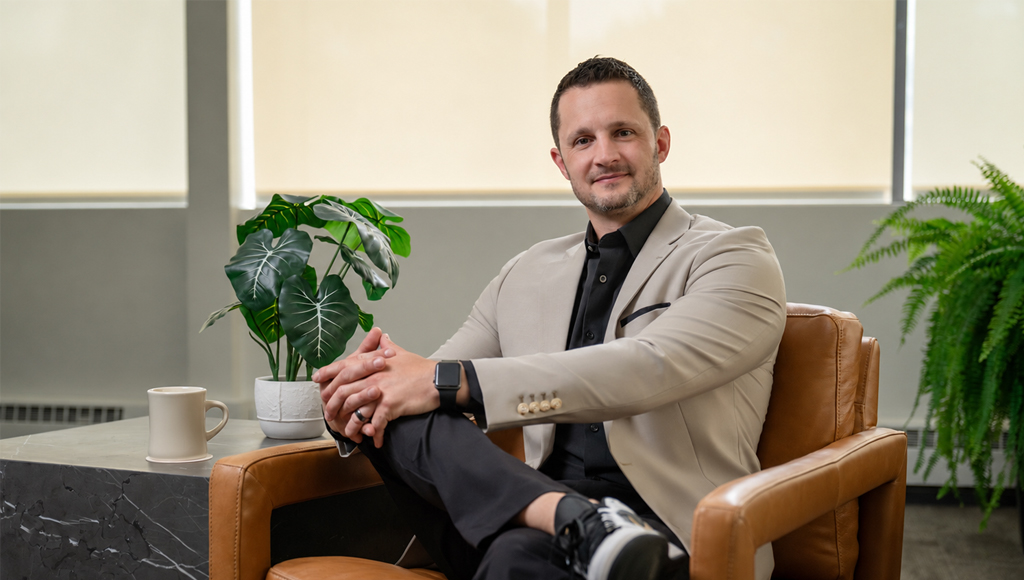
CEO Michael Rando believes rehabilitation can play an important role in making that shift possible.
The Problem with a Reactive Healthcare System
Too often, healthcare begins after a fall, hospitalization, injury, or significant decline in function. While that approach may address immediate needs, it often misses opportunities to prevent issues before they occur.
“Healthcare today is largely reactive, and in the United States, we don’t have a healthcare system. We have a sick care system,” Michael says. “We wait for people to decline, become injured, or be hospitalized and then we intervene.”
The consequences are significant. Delayed intervention can lead to reduced independence, lower quality of life, and higher healthcare costs. A better approach identifies risk earlier and acts before a crisis occurs.
Why Rehabilitation Should Be Part of Preventative Healthcare
Rehabilitation has traditionally been viewed as something patients receive after an illness or injury. Michael believes that perspective needs to change.
“If we truly want better outcomes and lower cost, we have to be proactive and not so reactive,” he says.
By monitoring mobility, balance, strength, and function, therapists can help identify risks before they lead to falls, hospitalizations, or further decline.
The potential benefits are substantial:
- Reduced falls
- Fewer hospitalizations
- Improved mobility
- Better functional outcomes
- Greater long-term independence
While many healthcare organizations focus on growth, Pro Rehab has a different priority.
“The greatest opportunity isn’t geographic expansion. It’s changing how therapy services or rehab are actually viewed,” Michael says.
Functional Independence Matters Most
Throughout his career, Michael has come to focus on one metric above almost all others: independence.
“Today I care mostly about whether people maintain control of their own lives,” Michael says. “Independence is one of the most meaningful outcomes we can preserve.”
Maintaining function affects every aspect of a person’s well-being. Mobility influences mental health. Independence supports confidence. Physical ability often determines someone’s capacity to remain engaged with family, friends, and their community.
That belief guides Pro Rehab’s focus.
“Exceptional therapy isn’t measured by how many visits we provide. It’s measured by what patients can do afterward,” Michael says. “Are they walking independently? Are they remaining in their homes? Are they avoiding rehospitalization? Those are the outcomes that define success.”
Supporting the Shift to Value-Based Care
Healthcare is increasingly moving toward value-based models that reward outcomes rather than volume. Preventative rehabilitation aligns naturally with that shift.
Michael believes earlier intervention can improve patient outcomes while reducing costs across the healthcare system.
“We help people maintain strength, mobility, cognition, and independence before a crisis even occurs,” he says.
When organizations focus on preserving function and preventing decline, they create value not only for patients, but also for providers, facilities, and payers.
“This improves functional outcomes, but also decreases overall cost, not only to the patient, not only to the facility, but to the overall healthcare system,” Michael says.
Technology Should Support Human Care
Technology is becoming increasingly important in healthcare, but Michael sees its value as supporting clinicians, not replacing them.
“AI’s greatest value is removing barriers that prevent clinicians from doing what they do best,” he says.
Administrative tasks continue to contribute to clinician burnout and reduce time spent with patients.
When used effectively, technology can help identify risks earlier, improve decision-making, and allow clinicians to spend more time delivering care.
Why Pro Rehab Focuses on Prevention
At Pro Rehab, prevention is more than a strategy. It’s part of the organization’s mission.
“It’s my goal to position Pro Rehab as a transformation-based company that just so happens to deliver care,” Michael says.
By focusing on early intervention, independence, and long-term outcomes, Pro Rehab aims to help healthcare partners improve quality of care while reducing preventable decline. The organization views itself as more than a therapy provider, serving as a strategic partner that supports clinical outcomes, resident satisfaction, operational goals, and long-term success.
“Success for Pro Rehab isn’t simply measured by the number of buildings we serve or the amount of revenue we generate,” Michael says. “Success is helping shift rehabilitation from a service that reacts to decline into one that prevents decline.”
The Future of Rehabilitation Is Prevention
Michael believes rehabilitation is entering a new phase. As healthcare faces an aging population, workforce shortages, and growing pressure to improve outcomes, the need for preventative strategies will only increase.
“I believe therapy will move from being primarily restorative to increasingly preventative,” he says.
What excites him most is that healthcare is finally beginning to recognize the connection between function and overall health.
“For decades, therapy has quietly improved lives behind the scenes, but I believe the next decade will bring greater recognition that mobility, strength, cognition, and independence are among the most important predictors of health outcomes,” Michael says.
Rehabilitation has the potential to become one of healthcare’s most effective preventative tools. By identifying risks earlier and helping people maintain independence, providers can improve outcomes while reducing the costs associated with preventable decline.
For Michael, the path forward is clear:
“If we truly want better outcomes and lower costs, we have to be proactive and not so reactive.”
Ready to Build a More Preventative Approach to Health?
Maintaining strength, mobility, and independence doesn’t begin after a setback. A proactive approach to rehabilitation can help support long-term health, confidence, and quality of life.
Whether you’re focused on your own health or supporting a loved one, rehabilitation can play an important role in maintaining function and independence over time.
Connect with Pro Rehab to learn how proactive rehabilitation can help support healthier, more independent living.